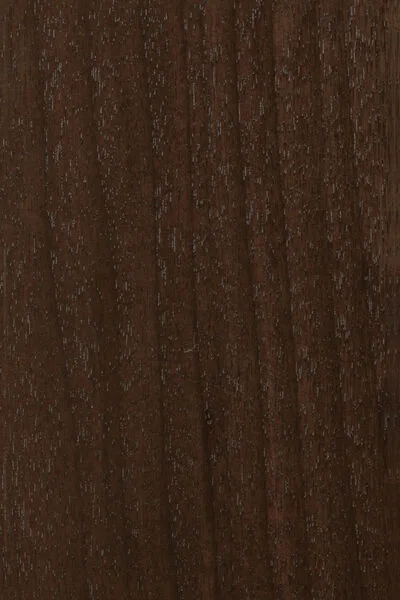
Walnut Chestnut
A satin stain on walnut in a warm medium-wood tone, available on six door styles in the TKG Inset collection.
- type
- stain
- color family
- medium wood
- sheen
- satin
- on
- Walnut
- available on
- 39 door styles
doors available in Walnut Chestnut
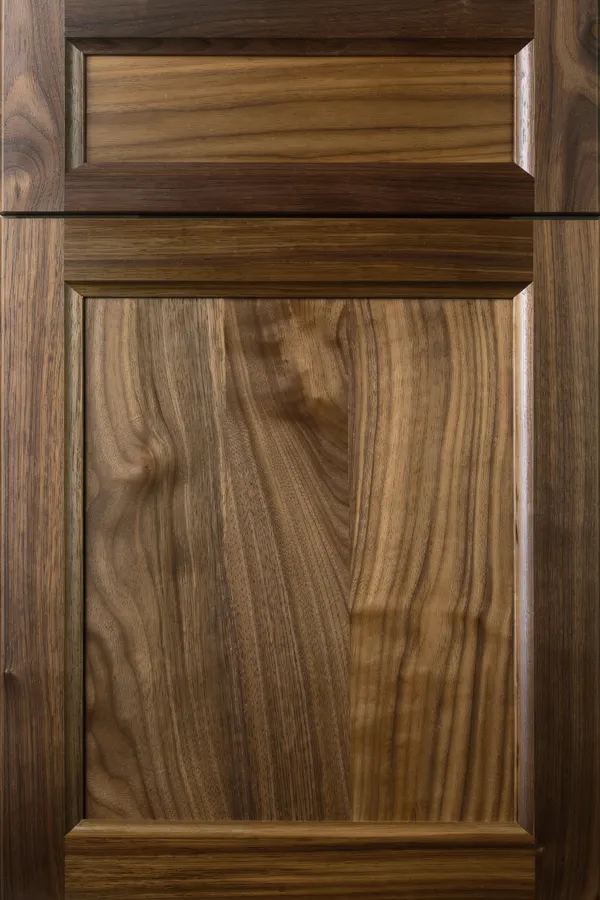
Carnegie
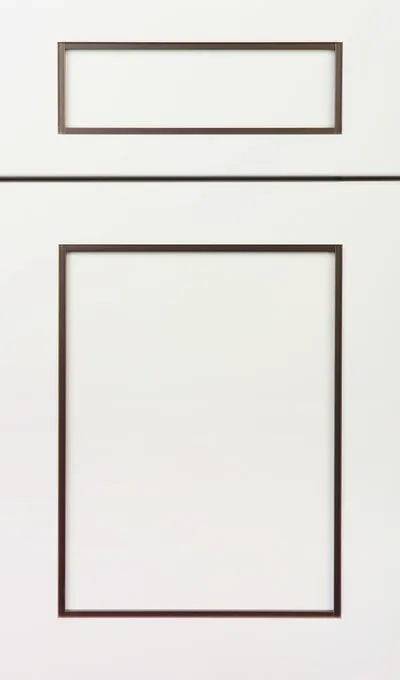
Gramercy
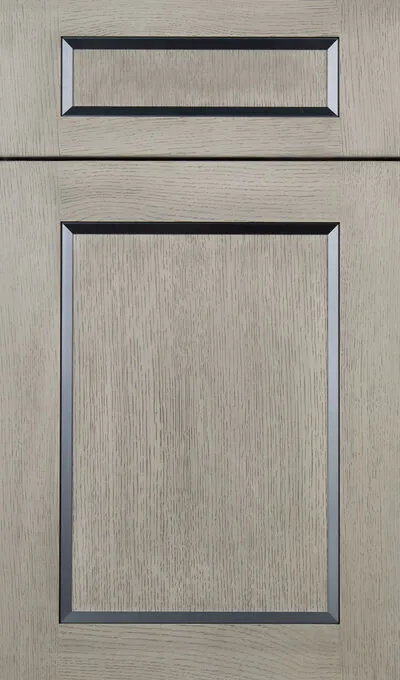
Gramercy Bevel
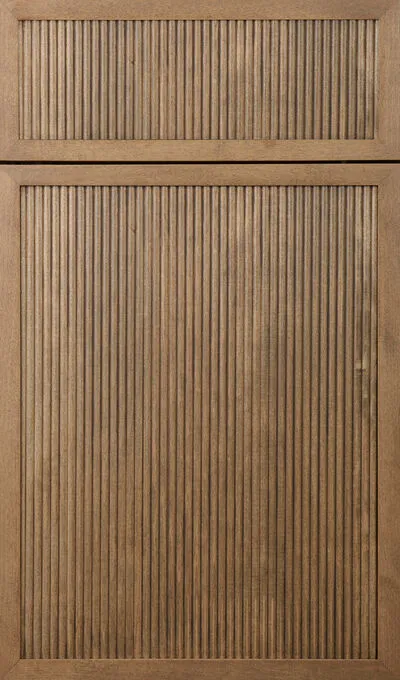
Lenox
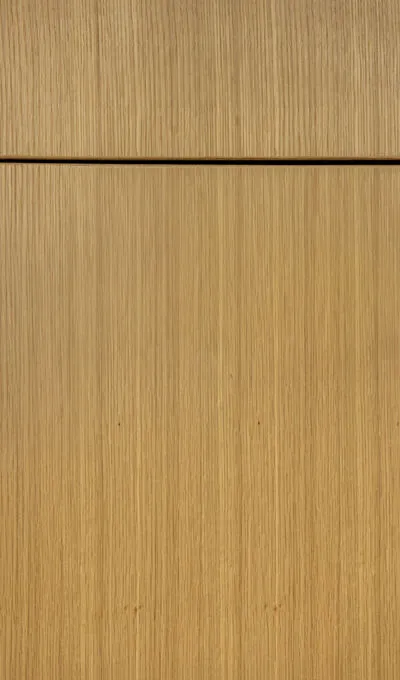
Vanderbilt
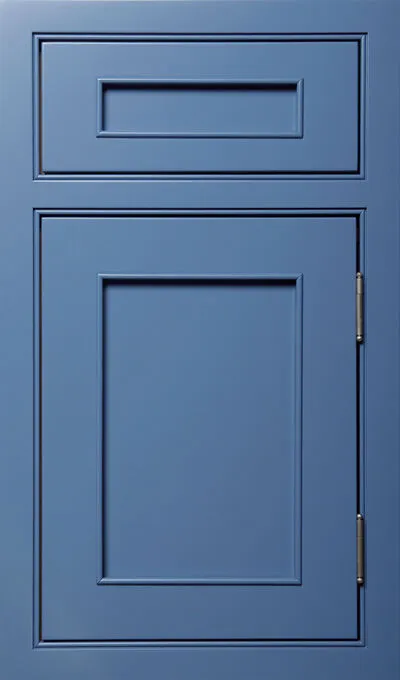
Mercer
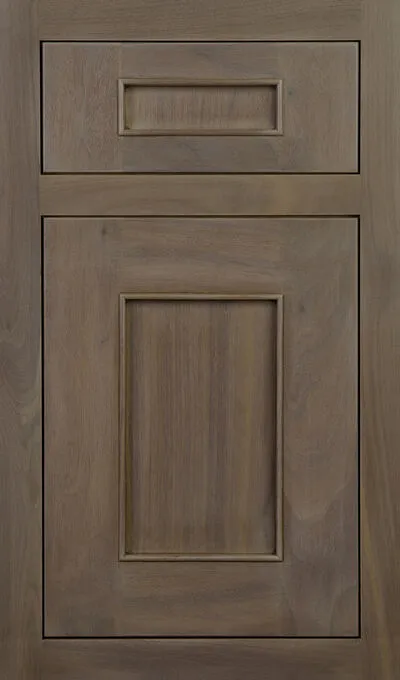
Mercer Wide
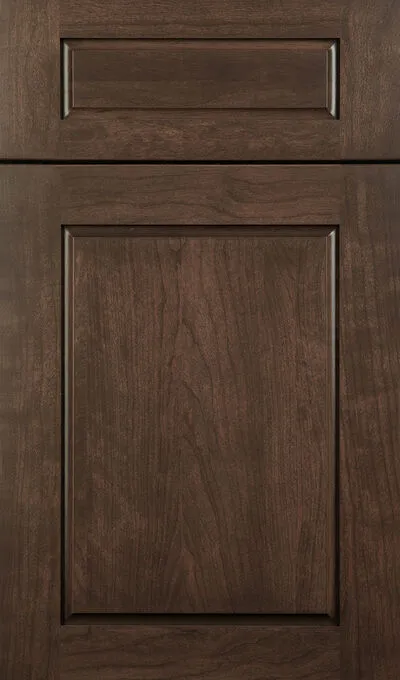
Riverside
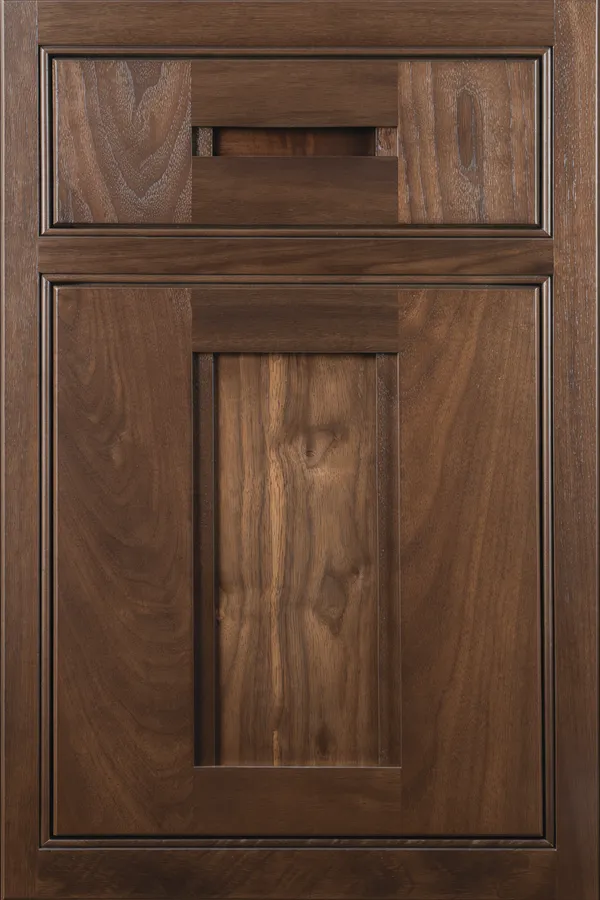
Amagansett
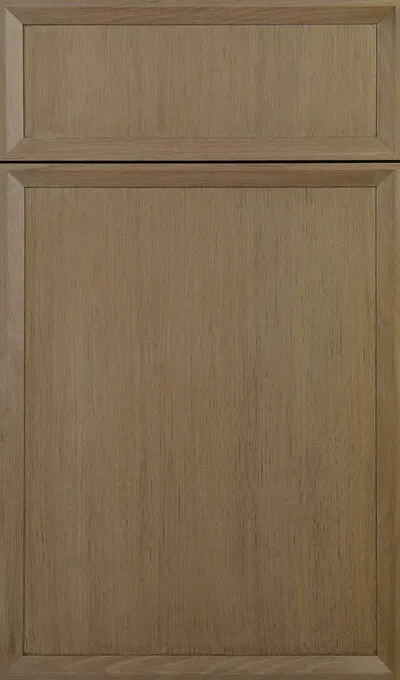
Sutton
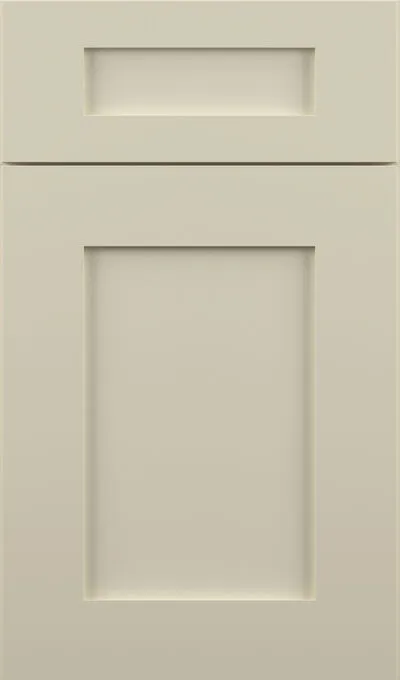
Morningside
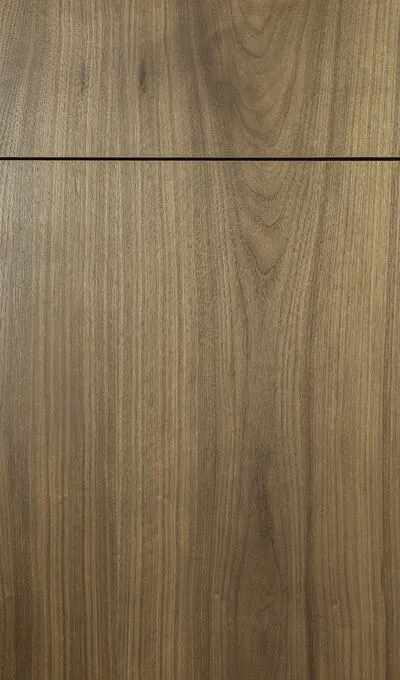
Bond
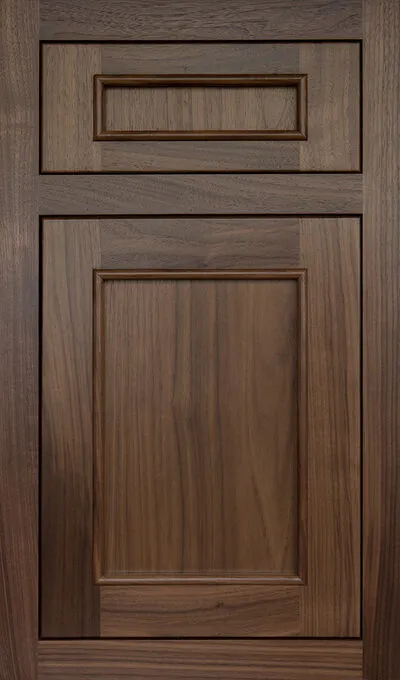
Astor
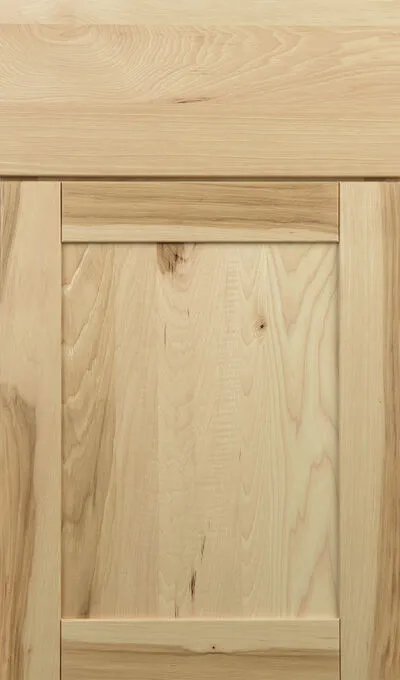
Shelter Island
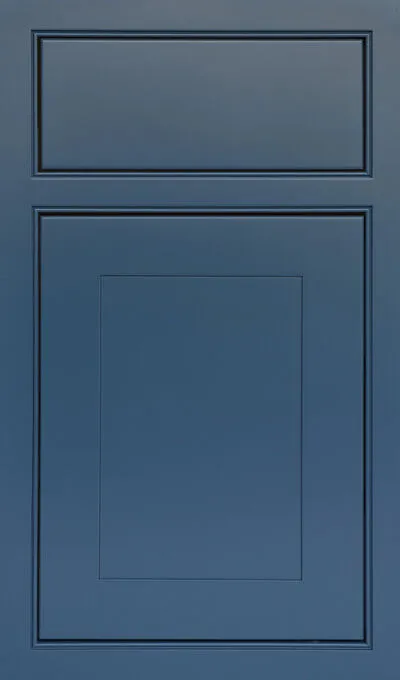
Gowanus
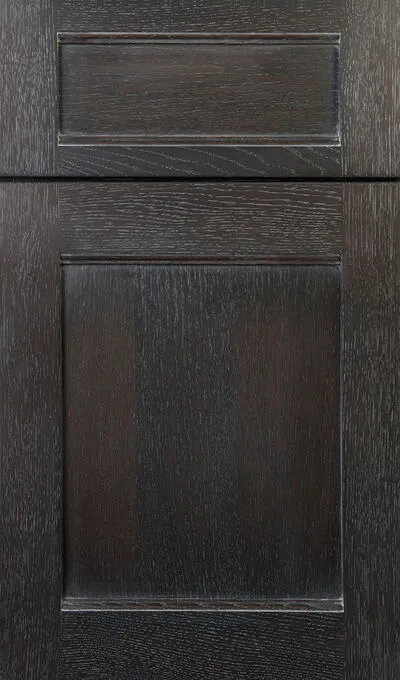
Beekman
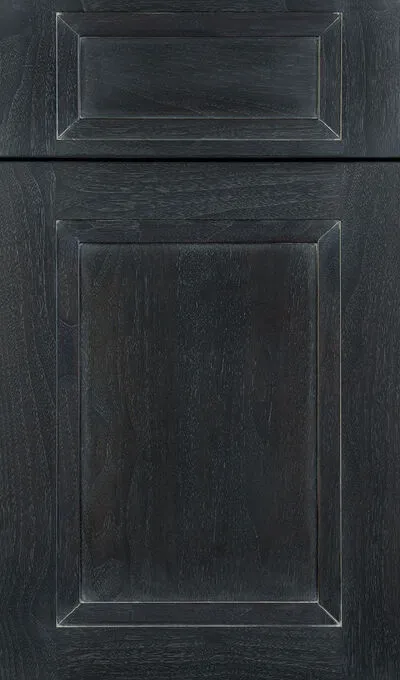
Varick
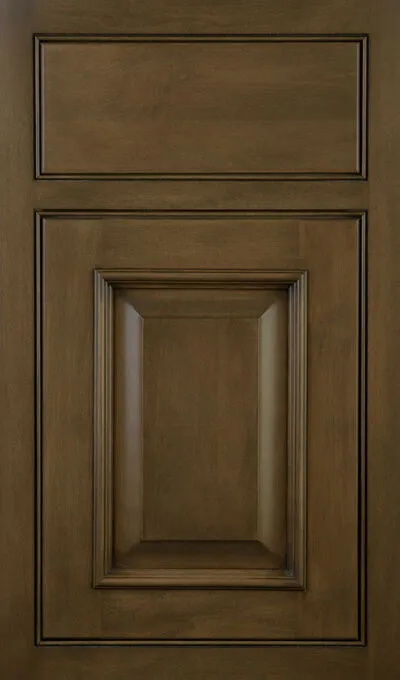
Montague
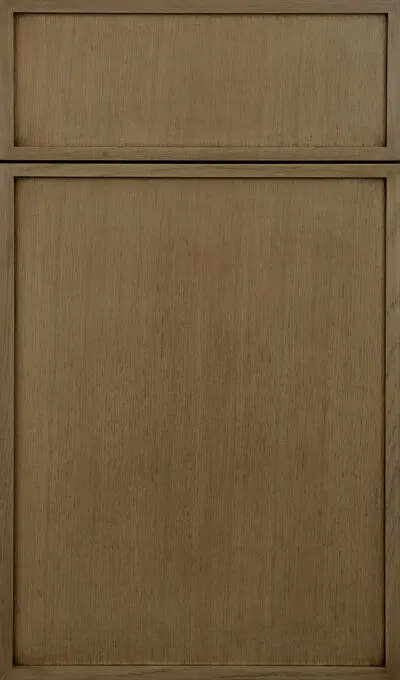
Cold Spring
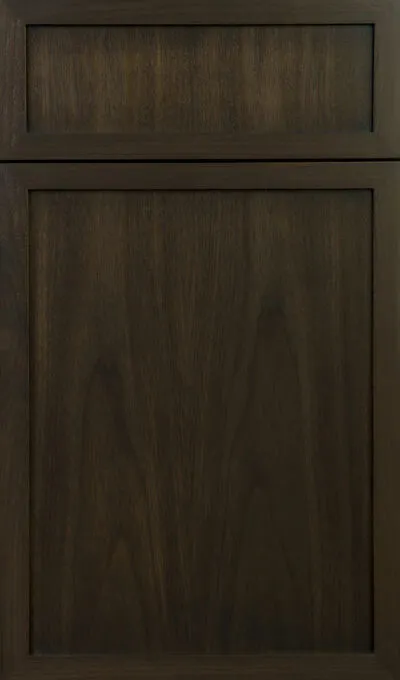
Cold Spring II
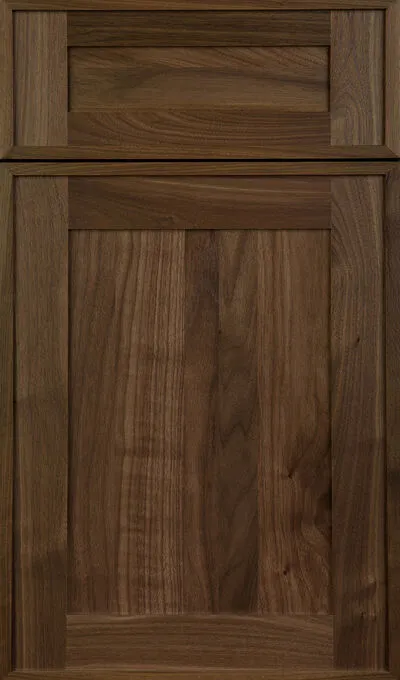
Bridgehampton
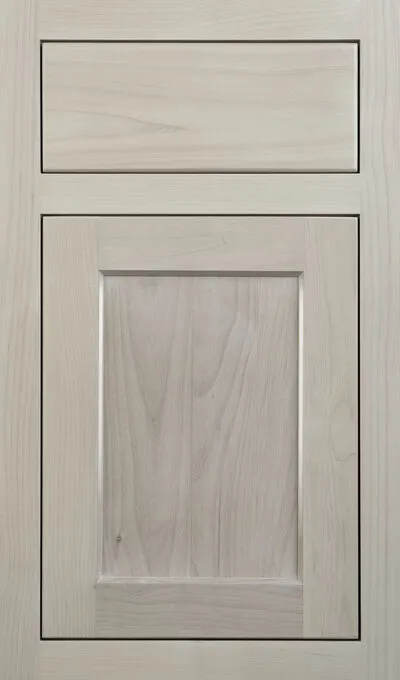
Chelsea
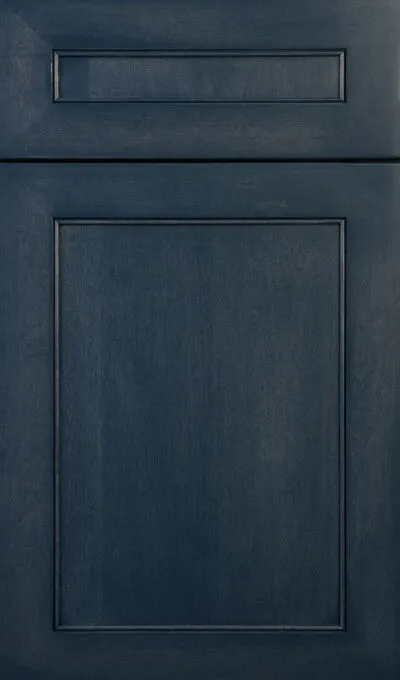
Park Slope
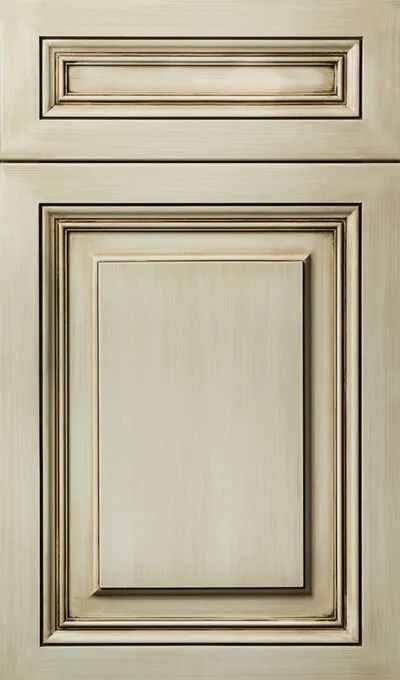
Fifth Avenue
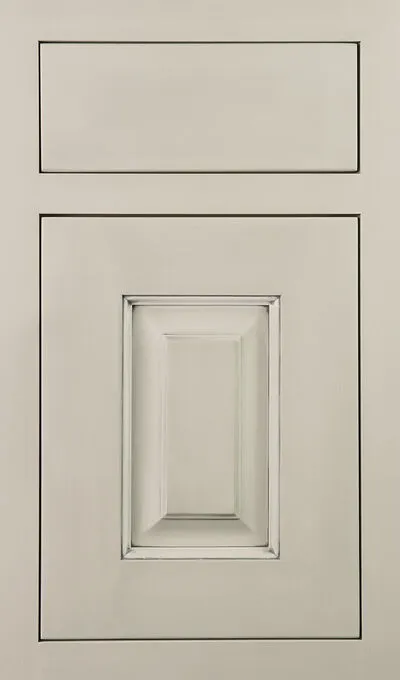
Carroll
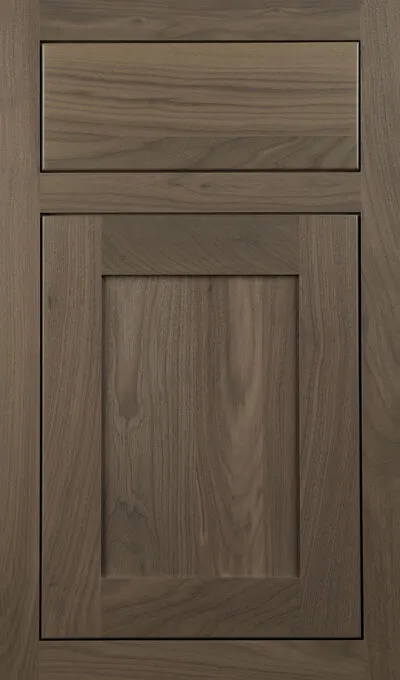
Remsen
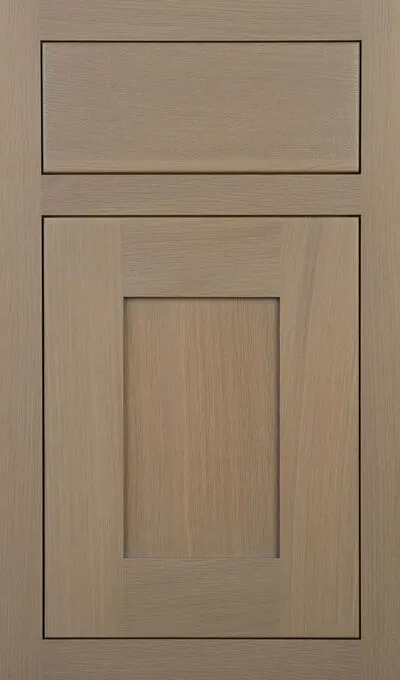
Remsen Wide
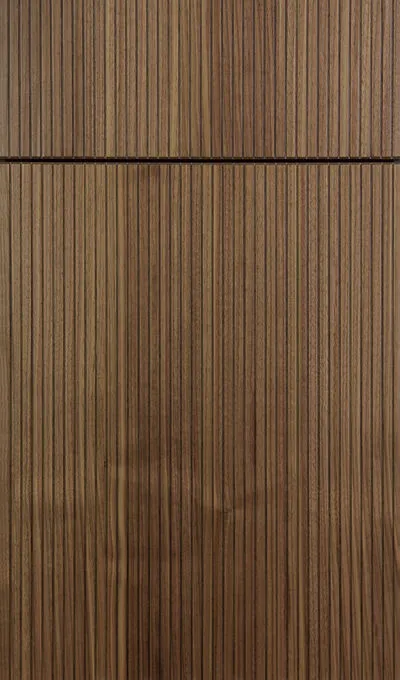
Orchard
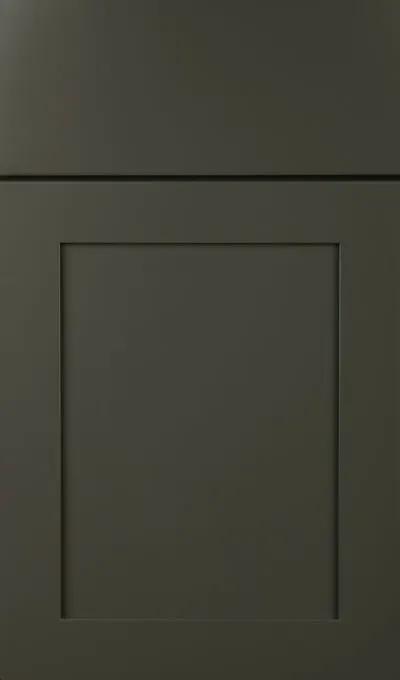
Clinton
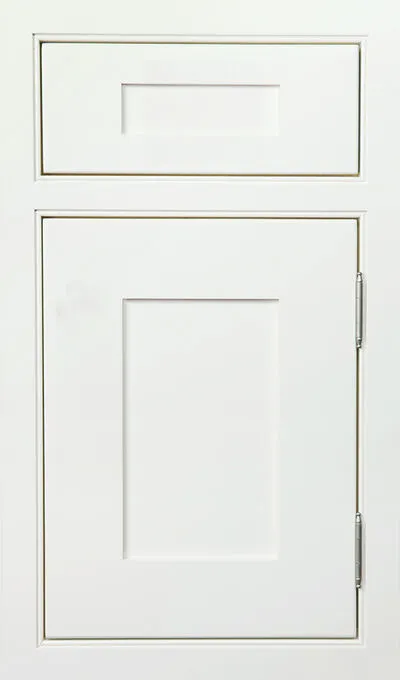
Clinton Wide
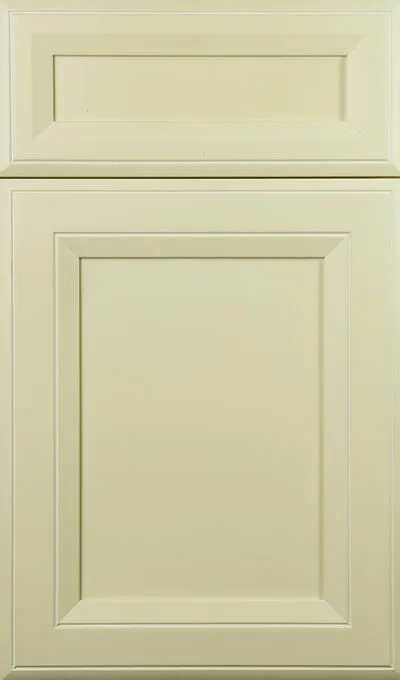
Crosby
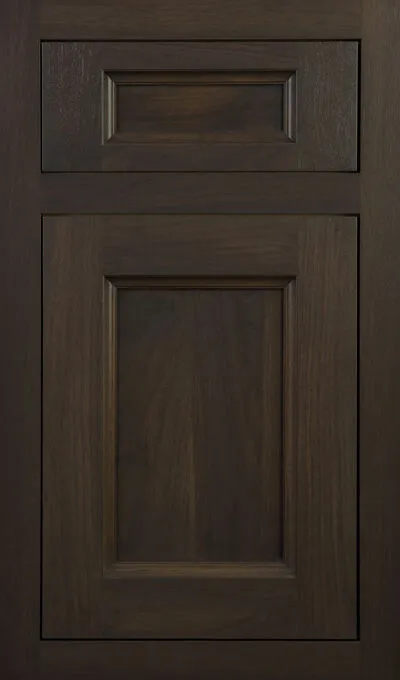
Columbus
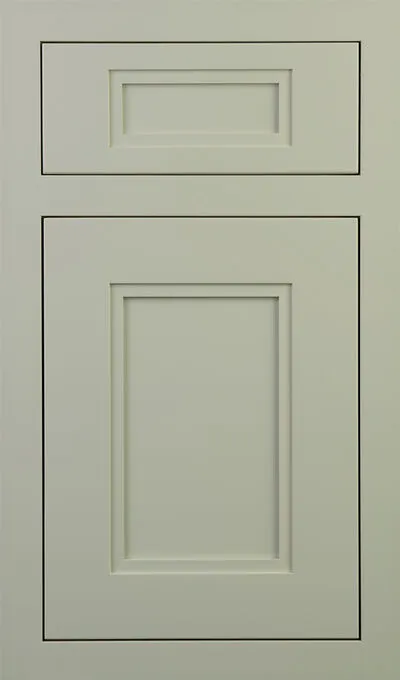
Union
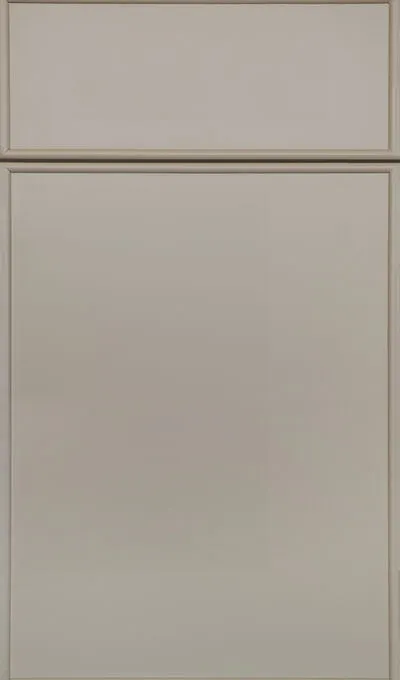
Bleecker
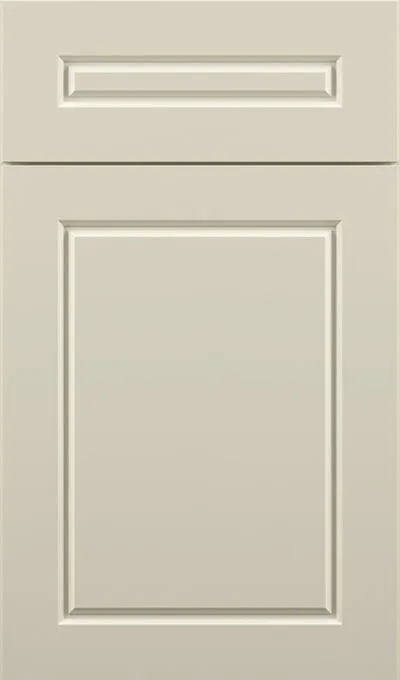
Irving
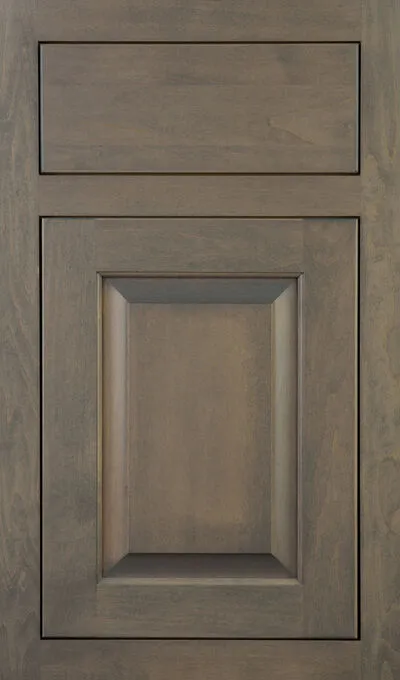
Henry Street
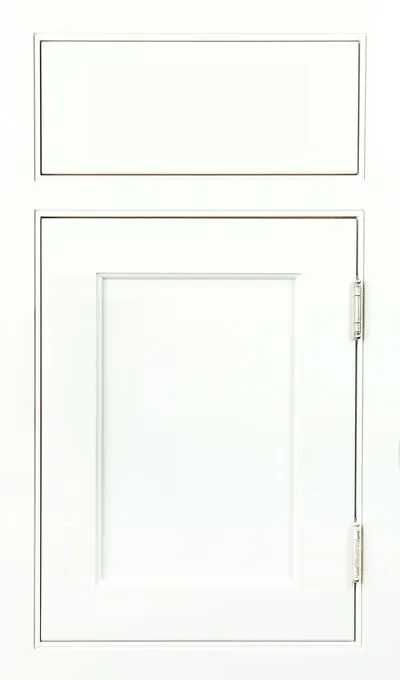
Perry
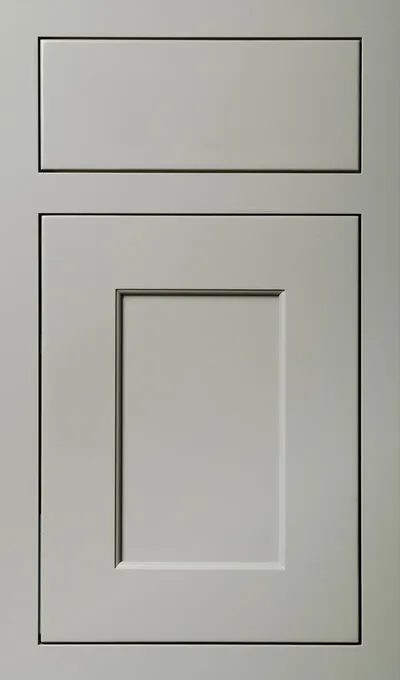
Perry Wide
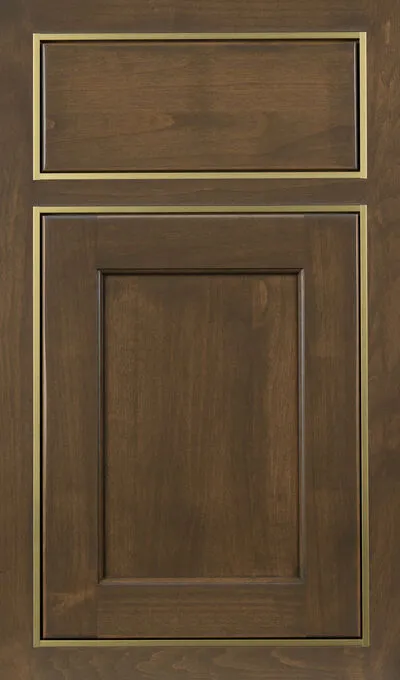
Perry Metal
The color
Walnut Chestnut is a satin stain on walnut. The body is a warm medium brown with a faint red-amber undertone. The stain is translucent, so the grain stays in view: long cathedral lines, fine pores, and natural shifts from board to board.
North light cools the brown and quiets it, so it reads steadier and more neutral. South light brings the red forward and the surface glows. Under warm LEDs it deepens toward umber. Look at a door in your own room at night as well as at noon.
What to pair it with
For counters, try honed Carrara, soapstone, or a warm white quartz. Each gives the wood a calm edge to sit against.
Unlacquered brass will warm with age and echo the undertone. Blackened steel sharpens it, and satin nickel keeps things cooler.
On the floor, choose contrast. Pale white oak or gray limestone lets the cabinetry stay the darkest wood in the room.
Where it suits
In a prewar co-op or brownstone, the Union or Cold Spring door gives the stain some architecture to settle into. Varick in slab suits a Manhattan loft. Remsen and Remsen Wide, both shaker, fit Long Island kitchens. Riverside offers a raised panel for more formal rooms. Browse all door styles or the TKG Inset collection.
Care and durability
Wipe with a soft, damp cloth and dry the surface right away. Skip abrasive cleaners, and don't let water stand near the sink or dishwasher.
Stained wood is a natural surface. Expect the tone to mellow gently with light, and treat grain variation as character. Compare it with other finishes, or contact the studio to see it on a door.