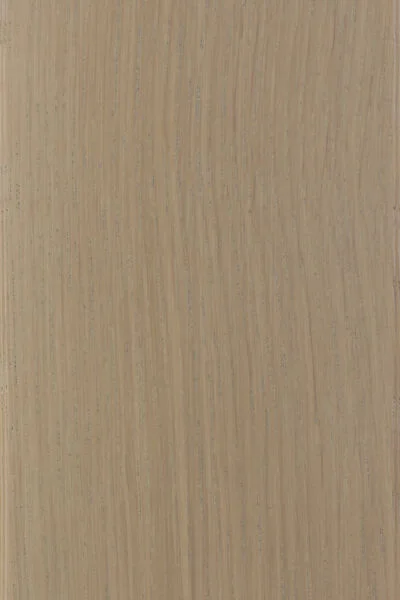
Rift Cut White Oak Heather
A satin-sheen light wood stain with straight, quiet grain, available across the TKG Inset collection.
- type
- stain
- color family
- light wood
- sheen
- satin
- on
- Rift Cut White Oak
- available on
- 29 door styles
doors available in Rift Cut White Oak Heather
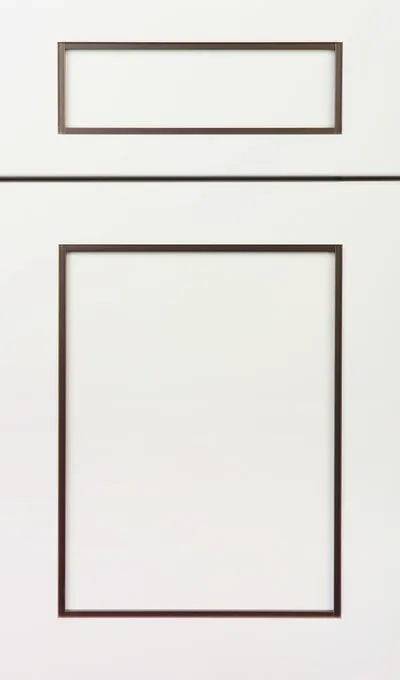
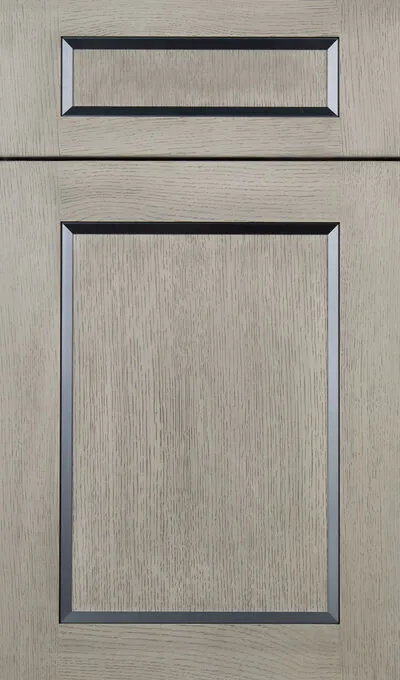
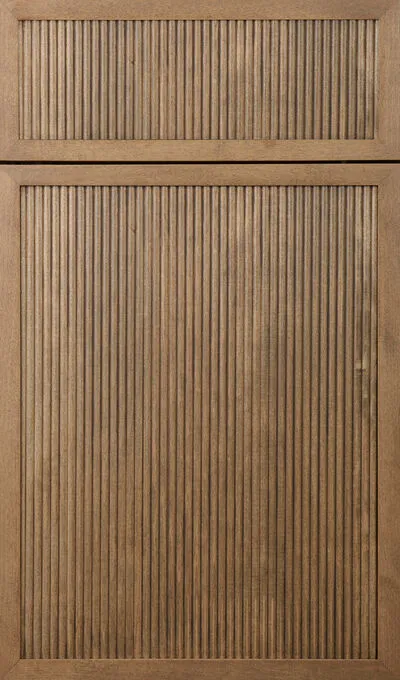
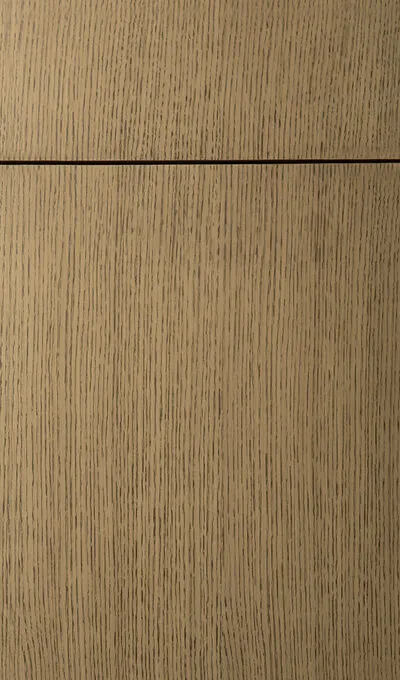
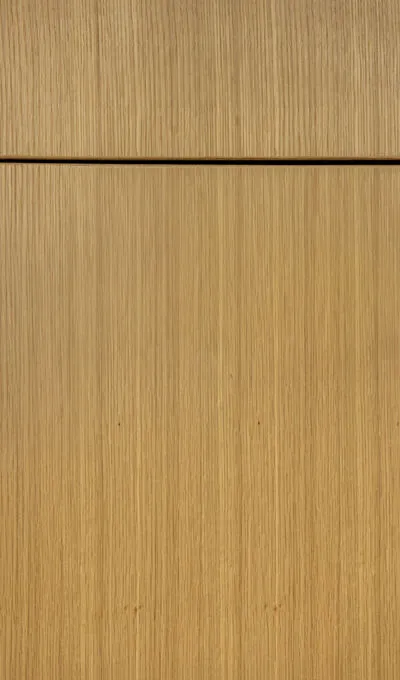
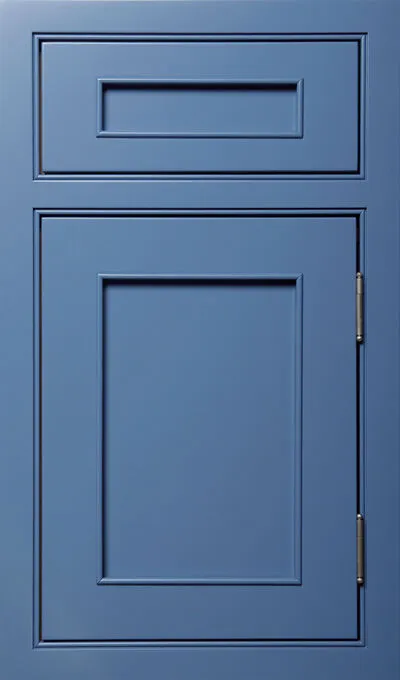
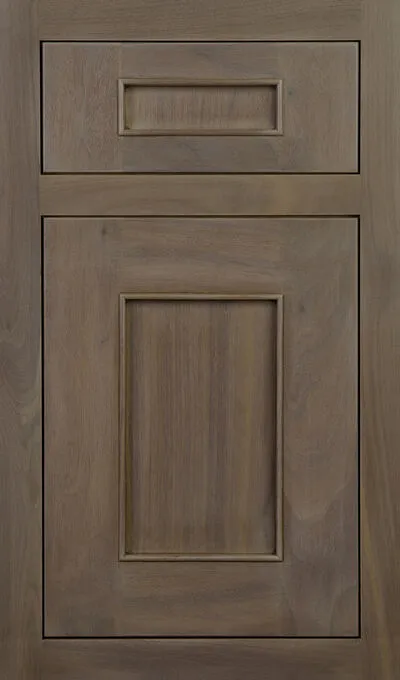
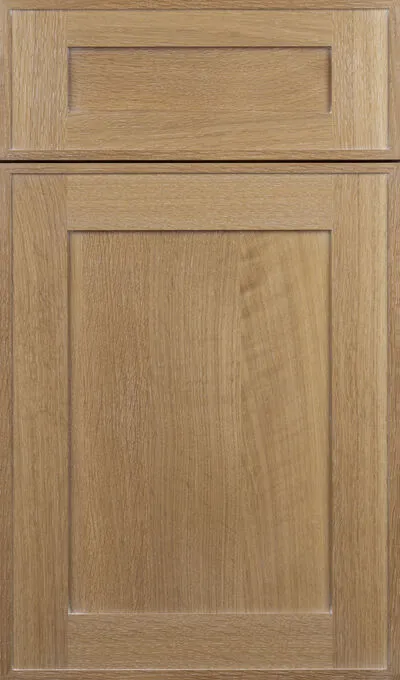
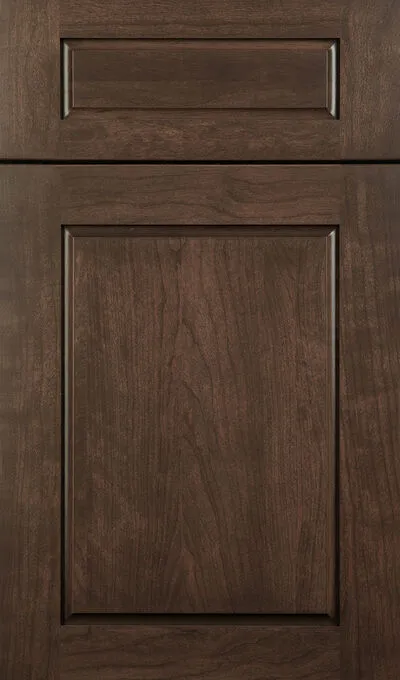
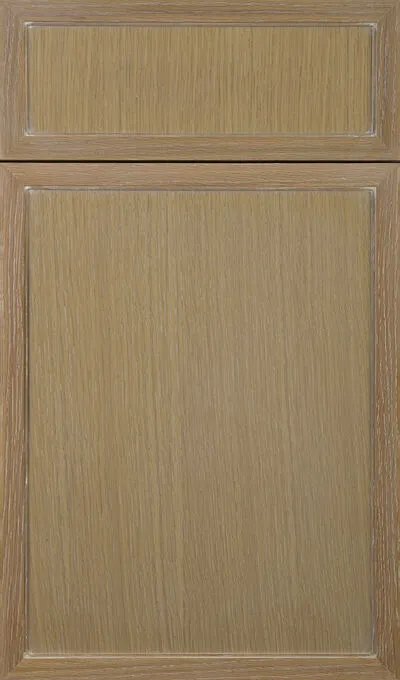
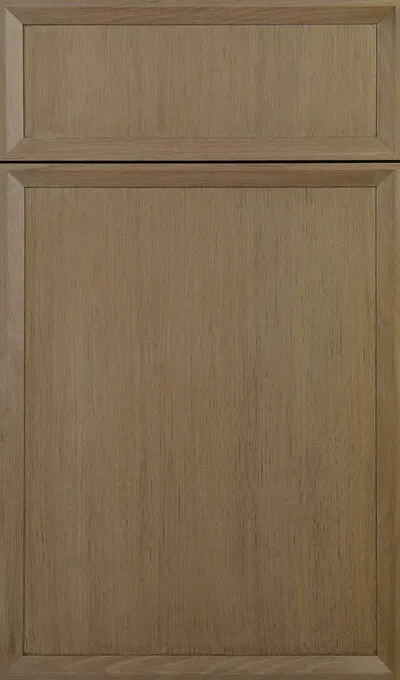
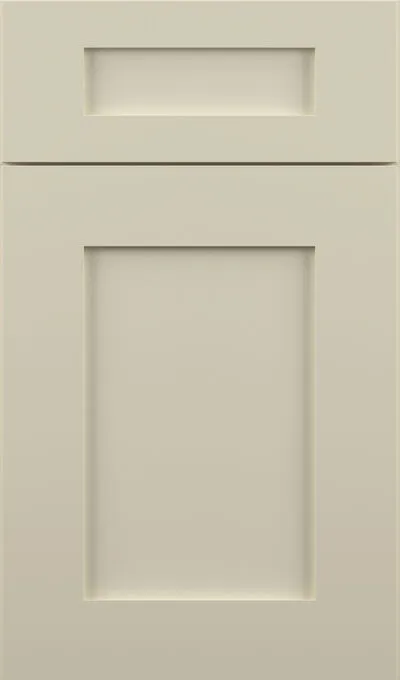
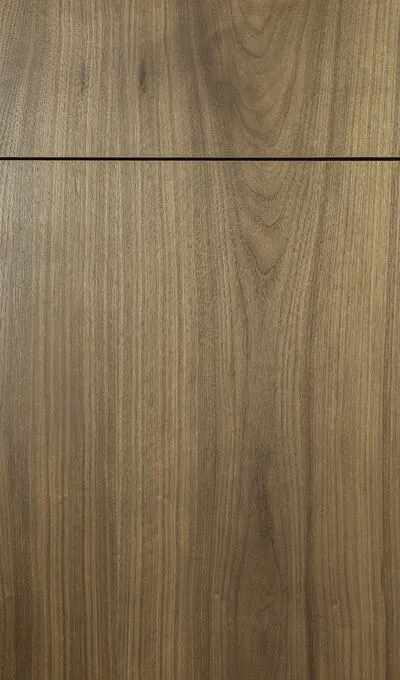
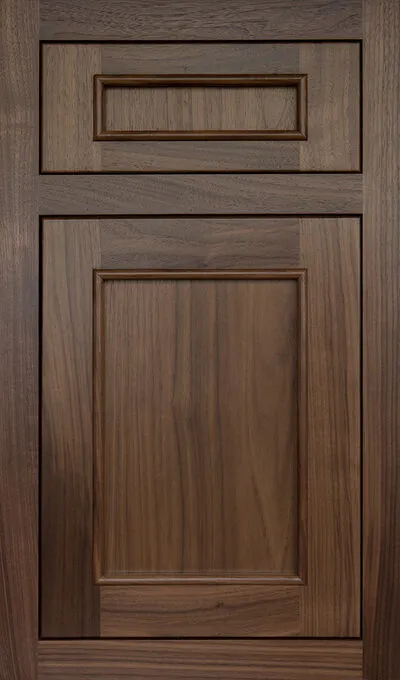
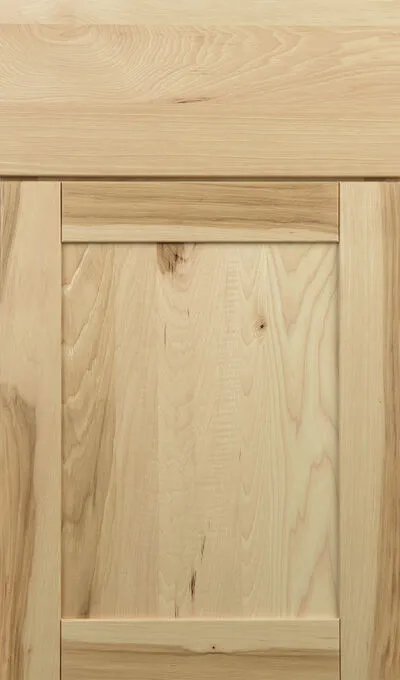
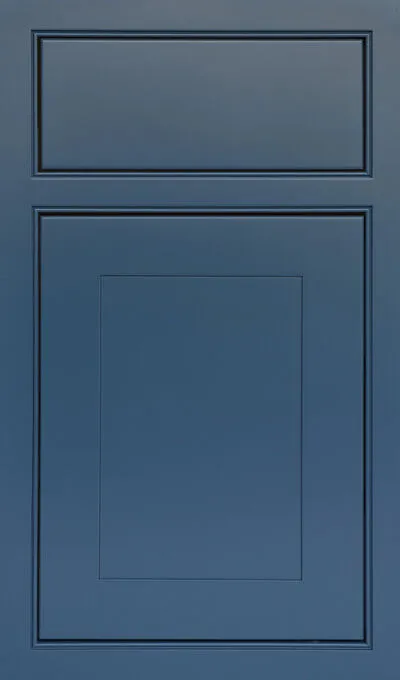
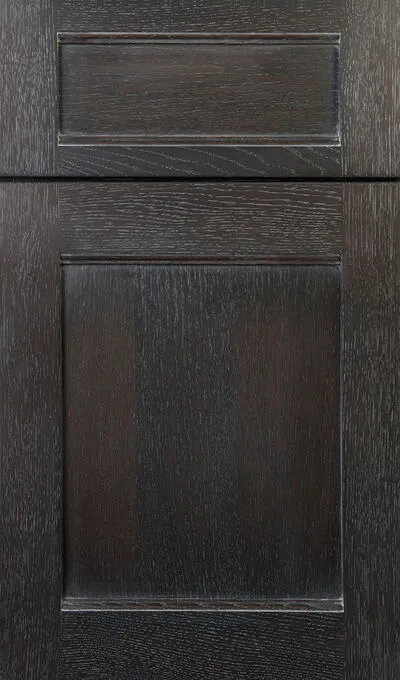
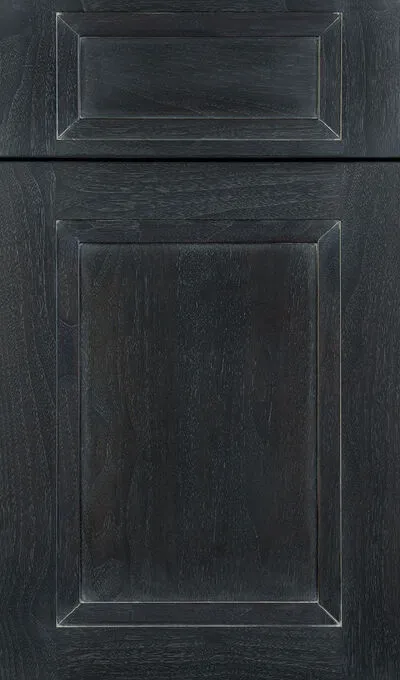
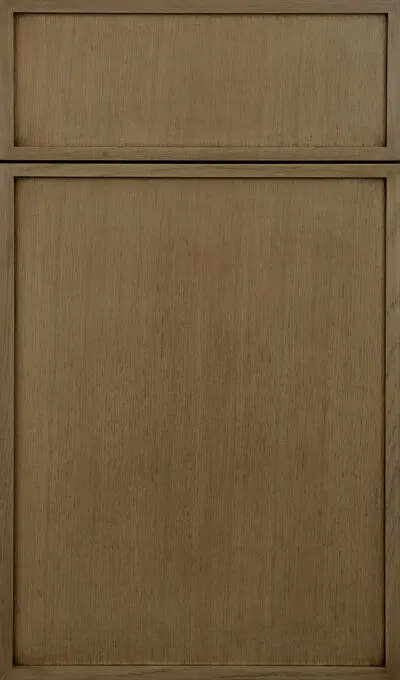
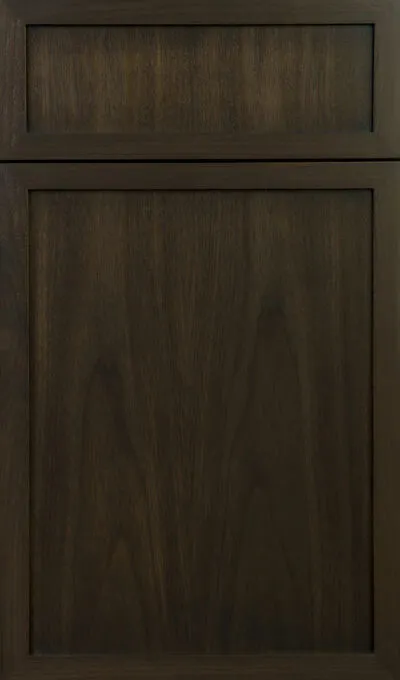
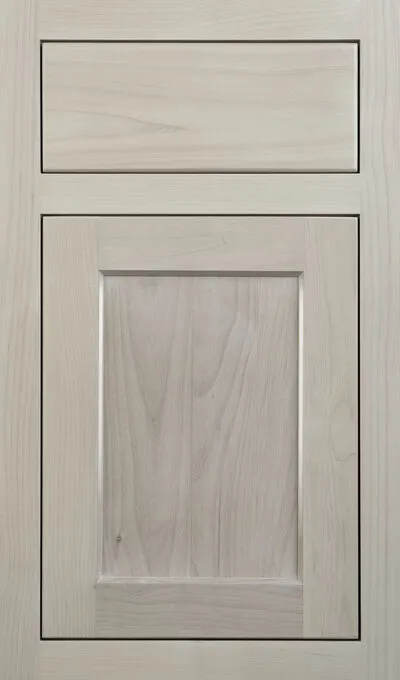
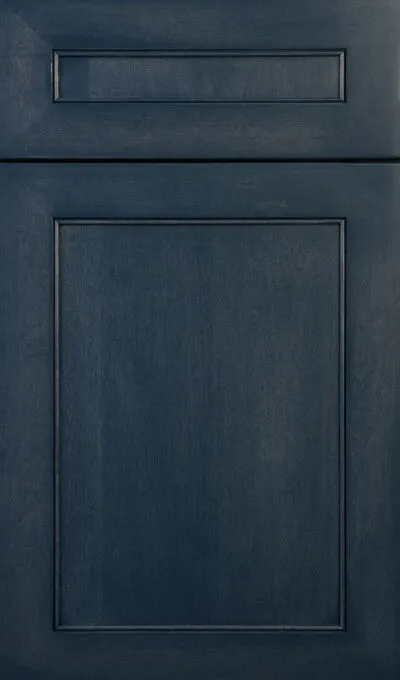
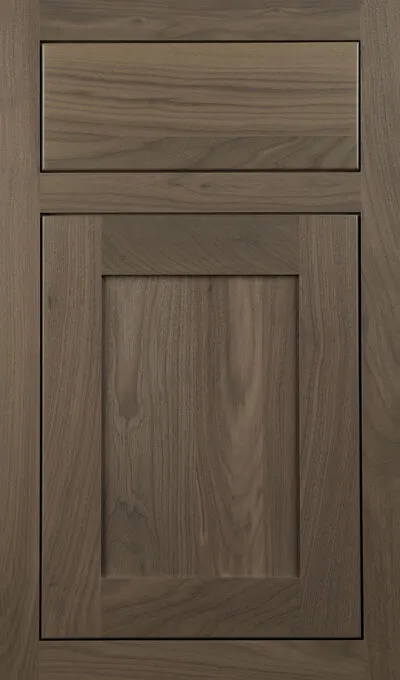
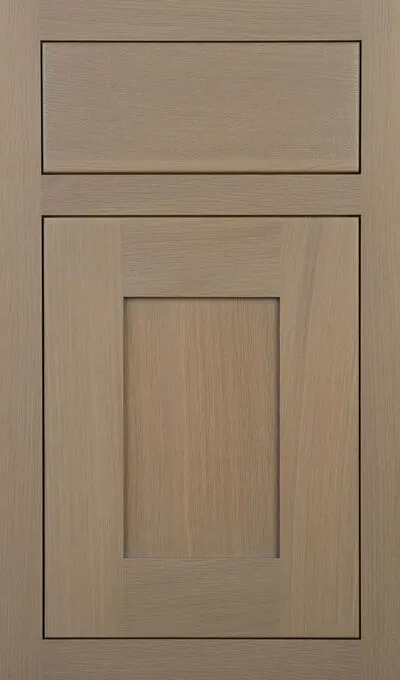
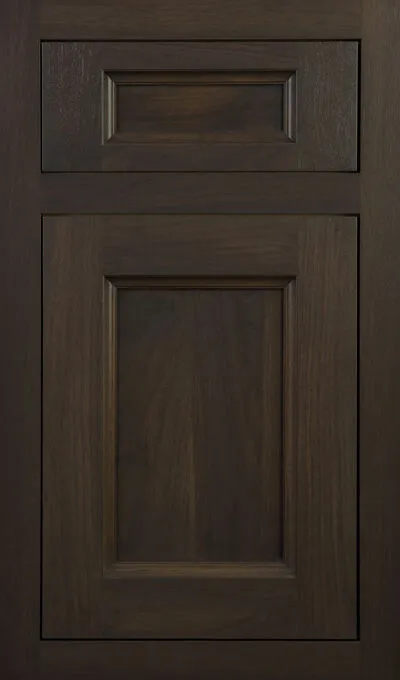
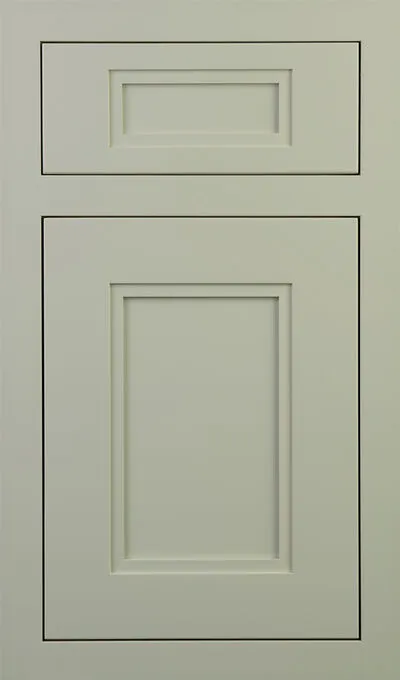

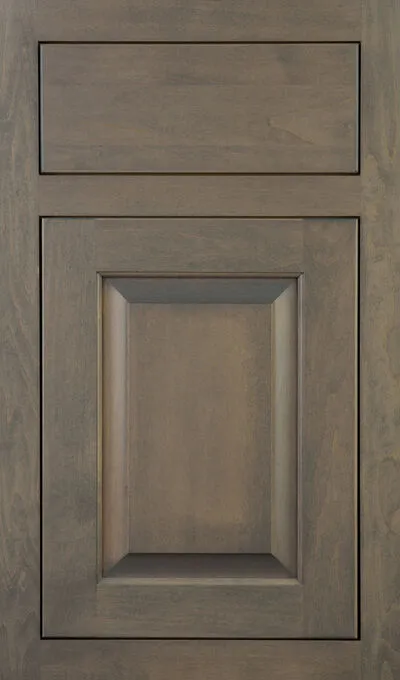
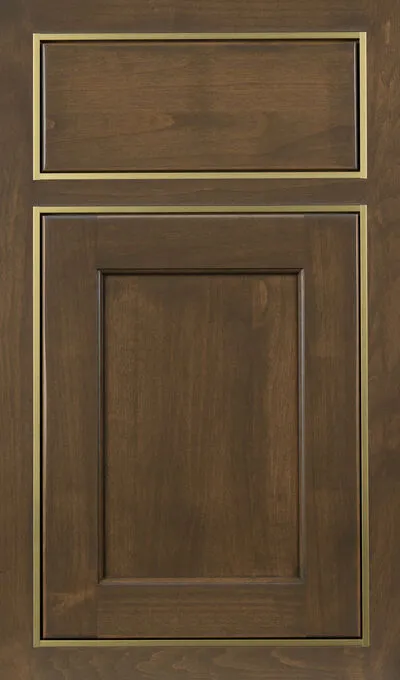
The color
This is a light wood tone with the warmth turned down. The stain is translucent, so the straight, linear grain stays fully visible and the surface reads as wood, not as a painted neutral.
In north light, it leans cool and calm, a pale gray-beige where the grain recedes. In south light, it warms toward oat and soft honey, and the grain sharpens. Under warm LEDs, the amber comes forward and the tone deepens slightly. At 3000K it stays balanced. The satin sheen keeps glare low in all three.
What to pair it with
For counters, honed white marble, pale gray quartzite or soapstone all work. Soapstone gives the strongest contrast.
Brushed nickel keeps the palette cool, and unlacquered brass warms it. Blackened steel gives the grain a sharp edge.
For floors, choose wide-plank oak in a similar or darker smoke tone, honed limestone, or pale terrazzo. Avoid red-leaning floors, which fight the muted undertone.
Where it works in New York
Rift Cut White Oak Heather suits north-facing prewar co-op kitchens, Brooklyn brownstones, Manhattan condos with limited daylight, and Long Island colonials and split-levels that want a lighter, calmer room.
It is offered on Bowery (slab), Lenox and Columbus (applied-molding), Cold Spring II and Prospect (beaded), and Beekman (raised-panel). Slab suits lofts and newer builds, and beaded or raised-panel doors suit older rooms. Compare them in door styles or browse TKG Inset.
Care and durability
A stain keeps the wood's texture, so care is simple. Wipe spills promptly with a soft damp cloth, then dry the surface. Use mild soap only. Avoid abrasive pads, ammonia cleaners and steam directed at door edges.
Real wood moves with humidity, and slight variation in tone from door to door is part of the material. See more in finishes, or contact us for a sample.