
Ink Distressed
A textured black on paint grade maple with a satin sheen, worn in by design and offered across slab, applied-molding and raised-panel TKG Inset doors.
- type
- textured
- color family
- black
- sheen
- satin
- on
- Paint Grade Maple
- available on
- 41 door styles
doors available in Ink Distressed
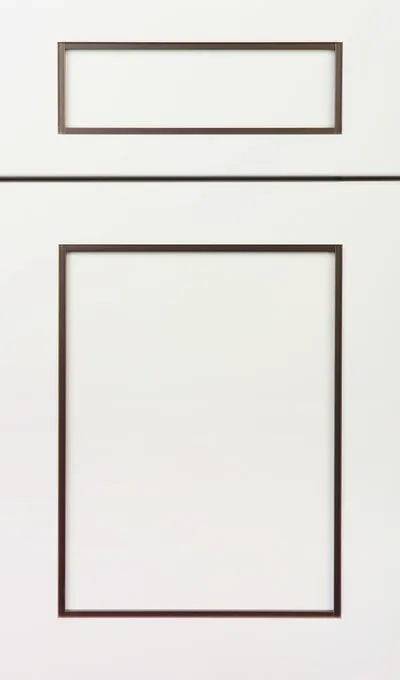
Gramercy
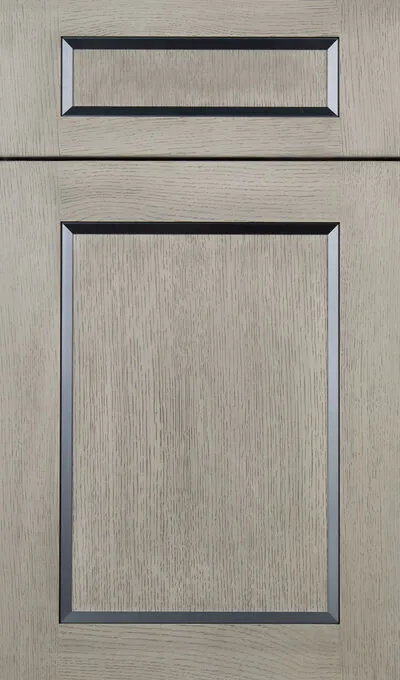
Gramercy Bevel
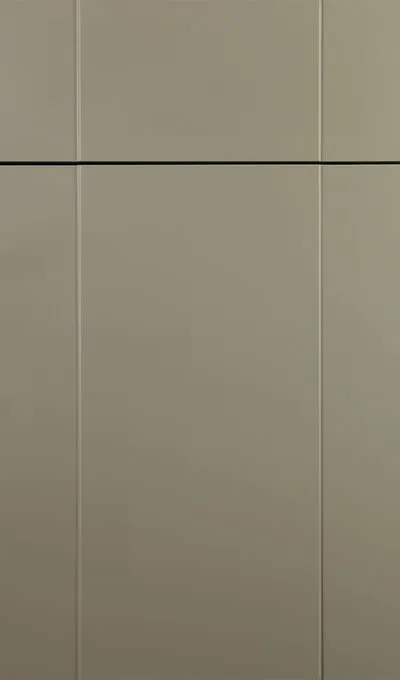
Hudson
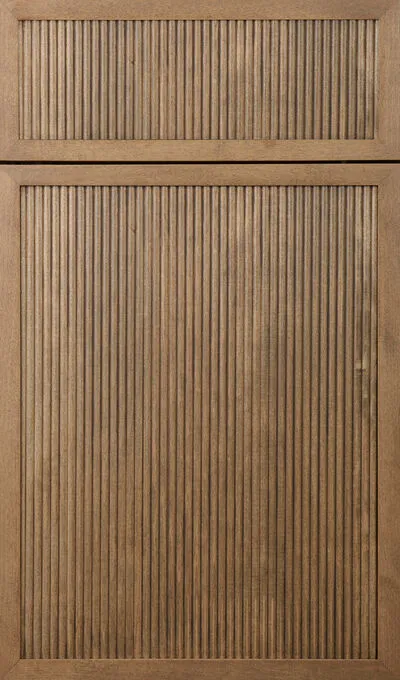
Lenox
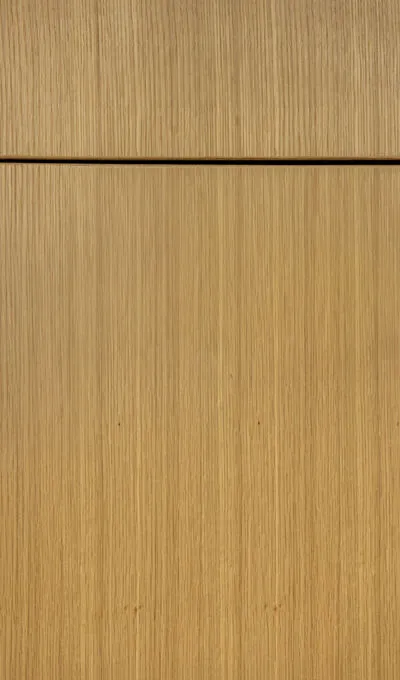
Vanderbilt
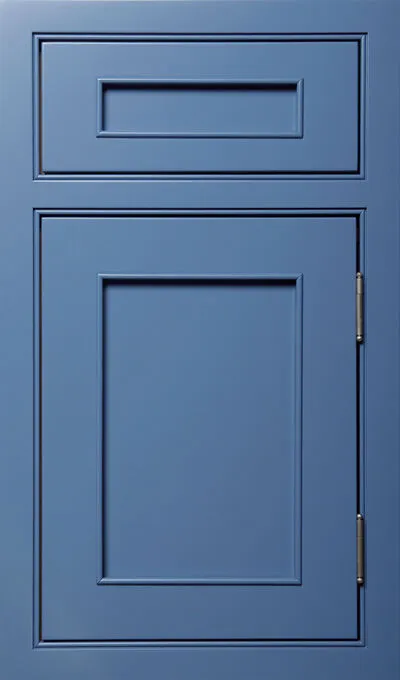
Mercer
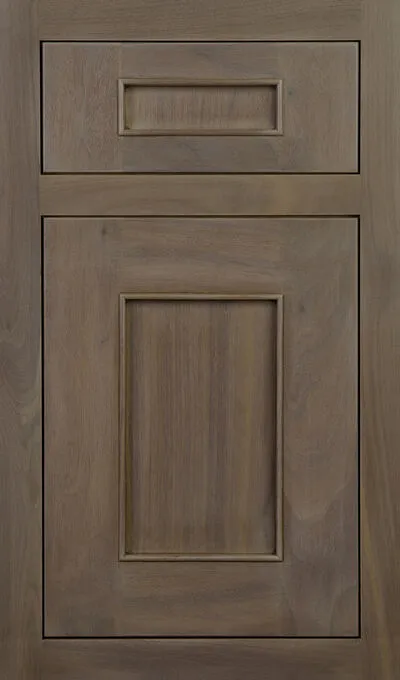
Mercer Wide
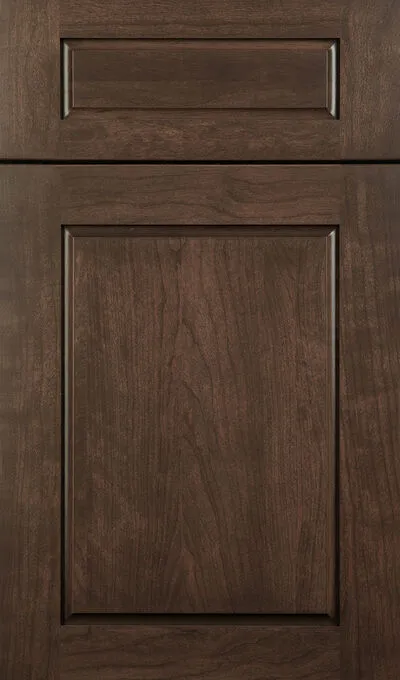
Riverside
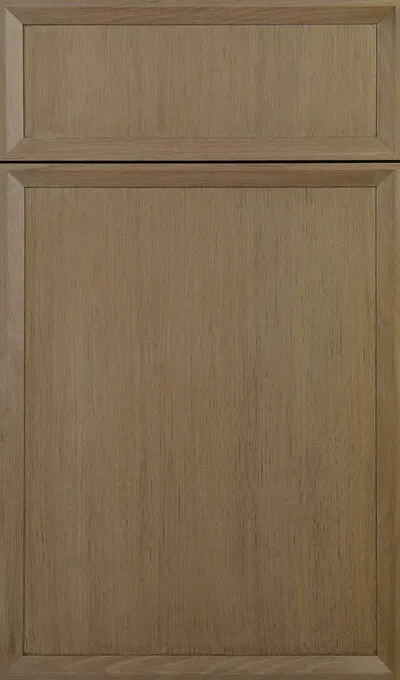
Sutton
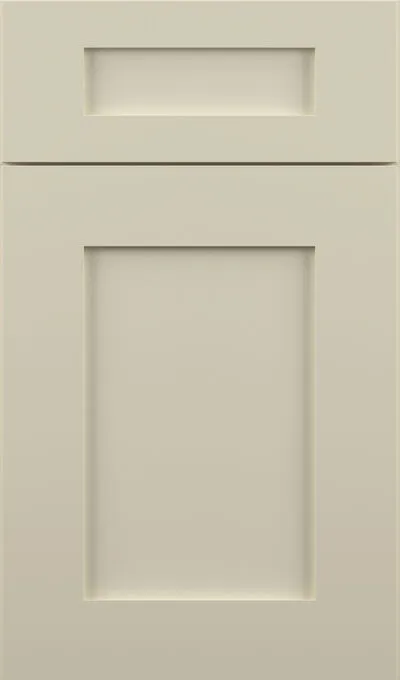
Morningside
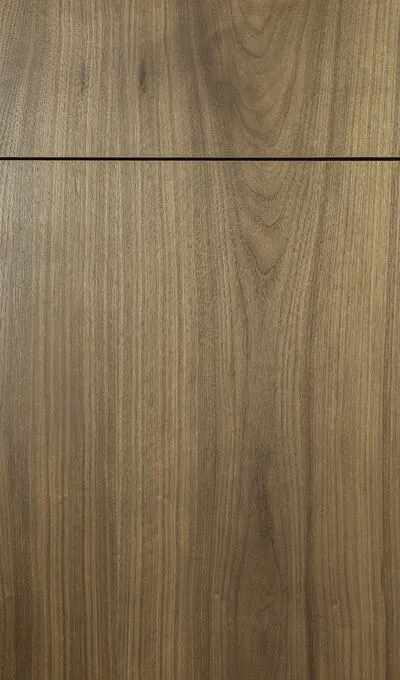
Bond
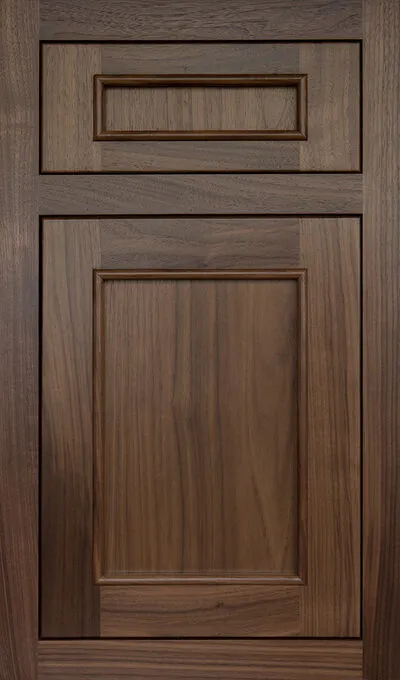
Astor
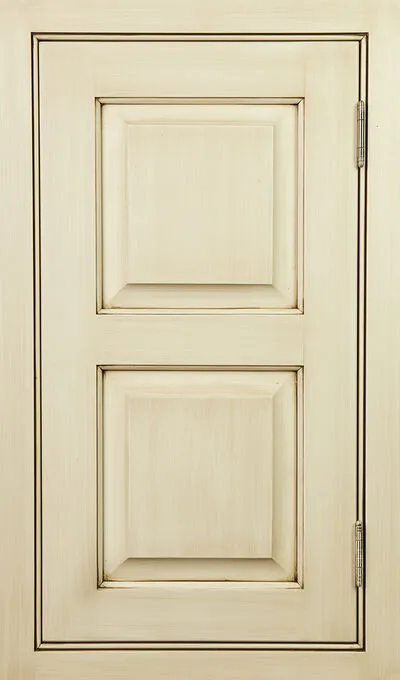
Madison
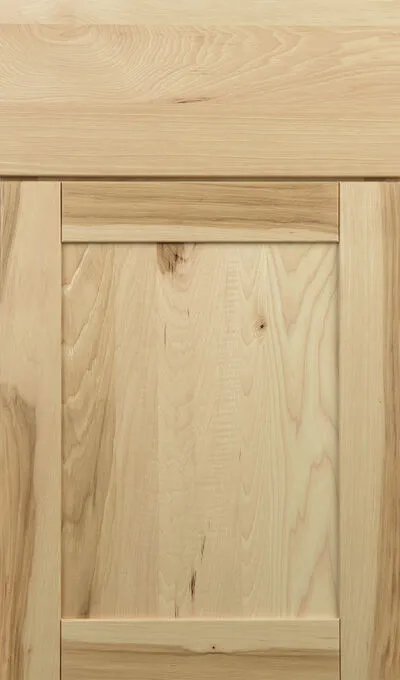
Shelter Island
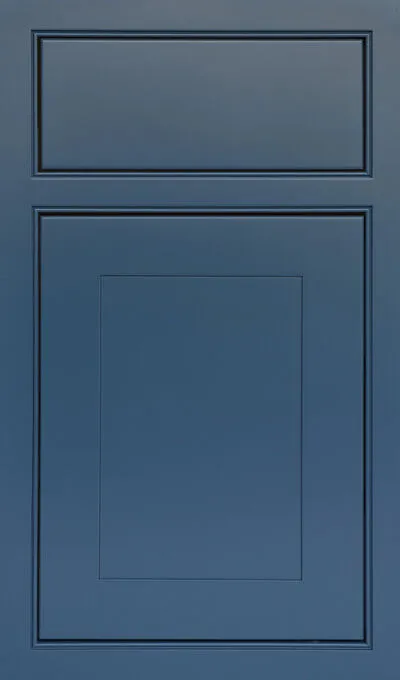
Gowanus
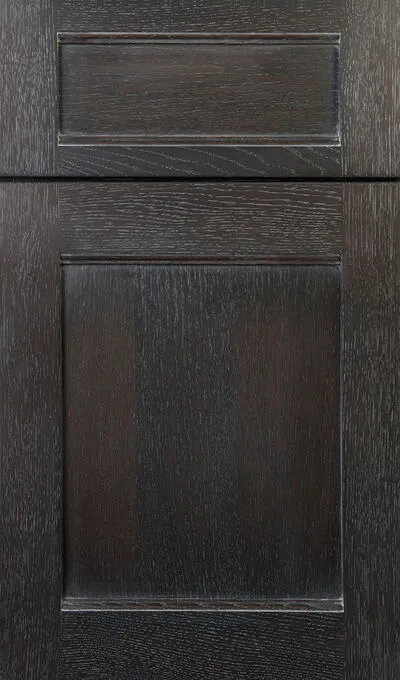
Beekman
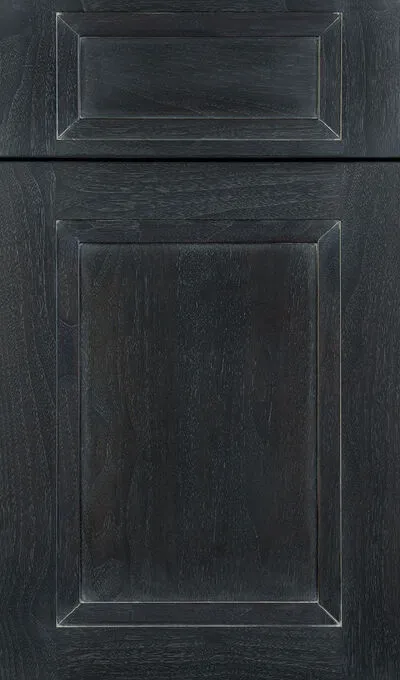
Varick
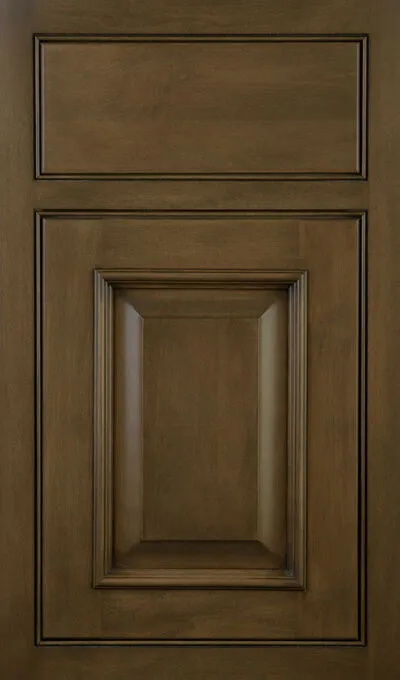
Montague
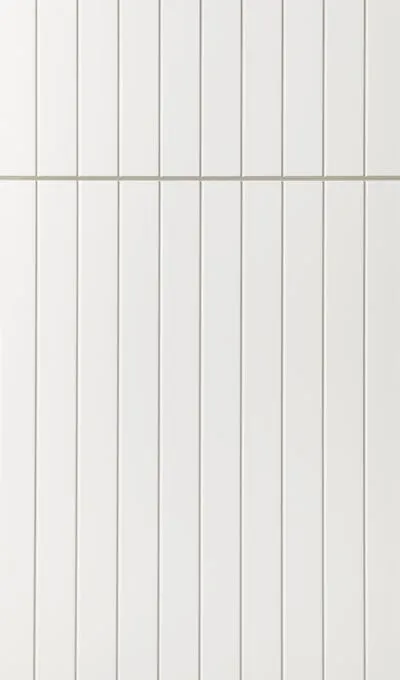
Ludlow 1.5
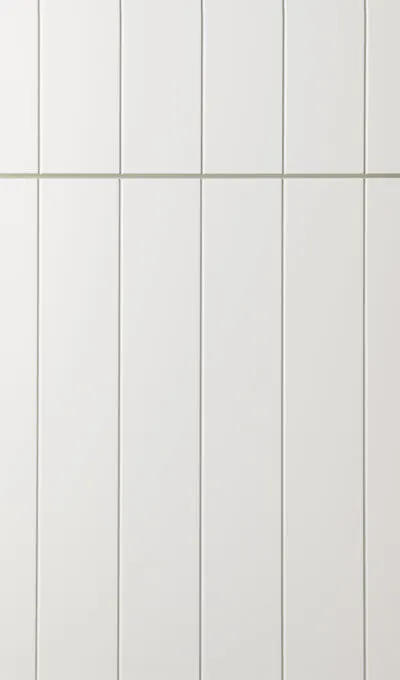
Ludlow 3
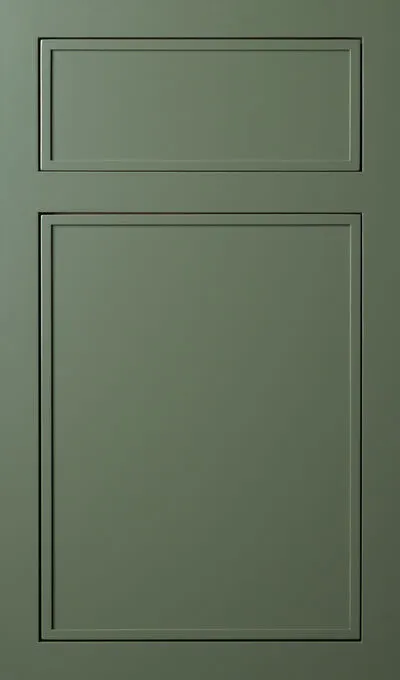
Oyster Bay
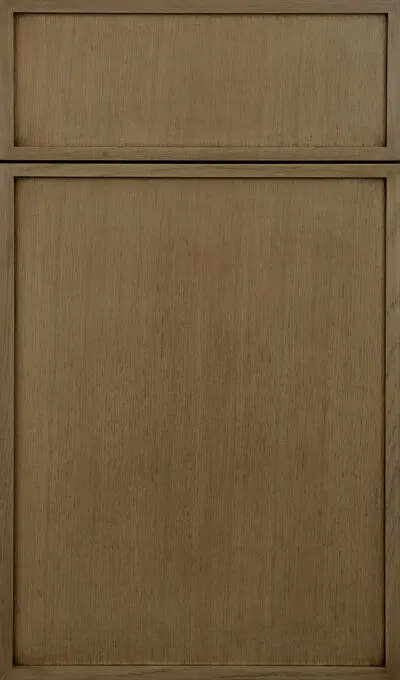
Cold Spring
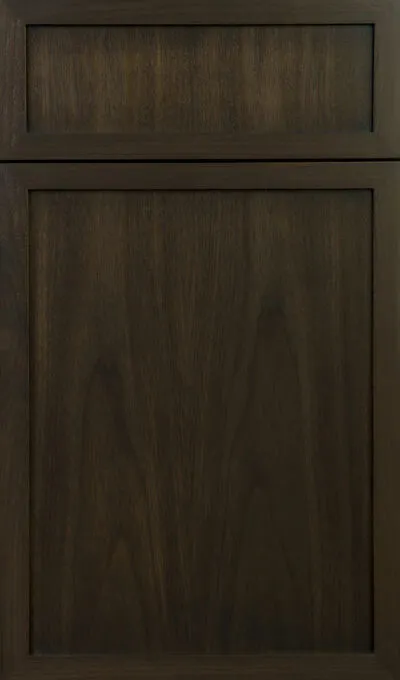
Cold Spring II
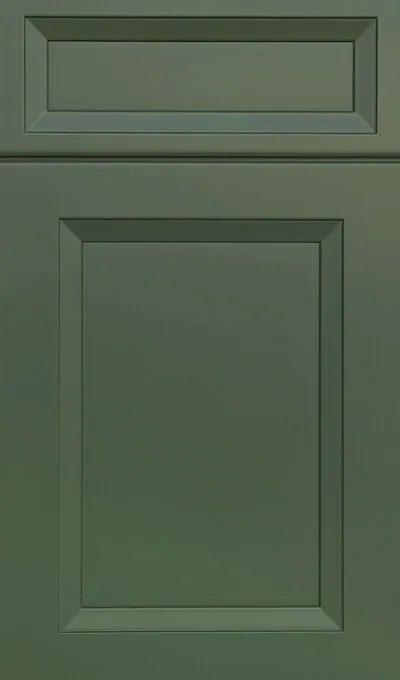
Mott
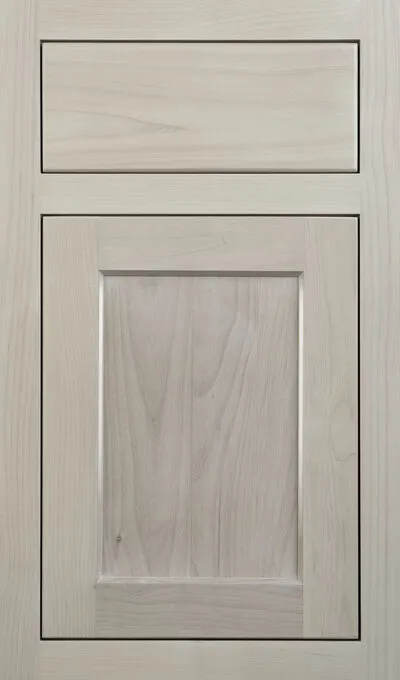
Chelsea
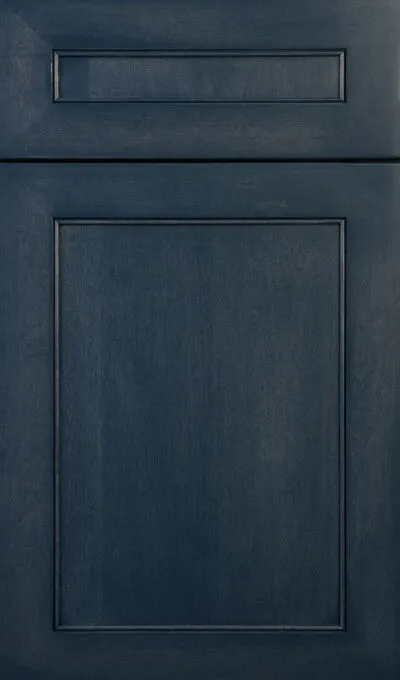
Park Slope
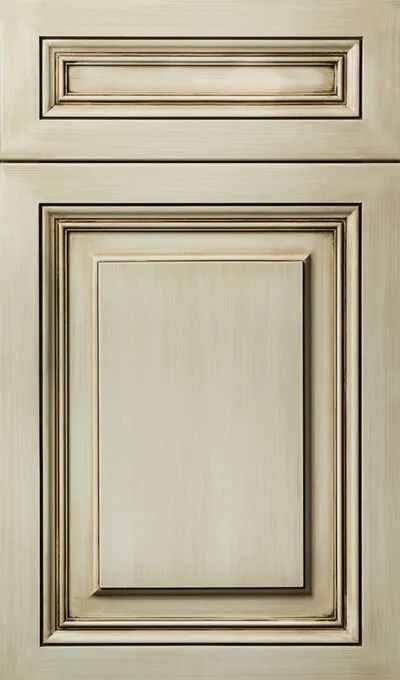
Fifth Avenue
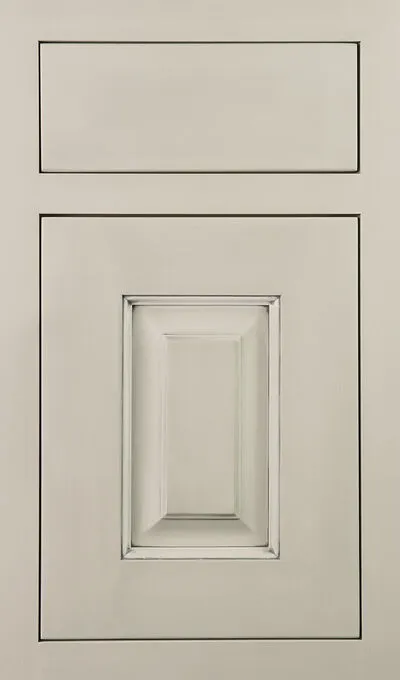
Carroll
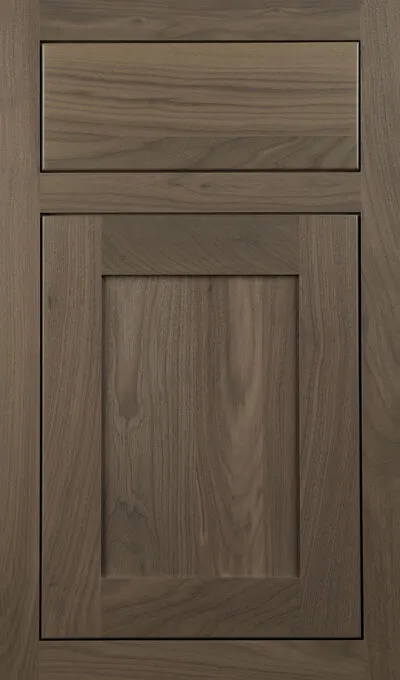
Remsen
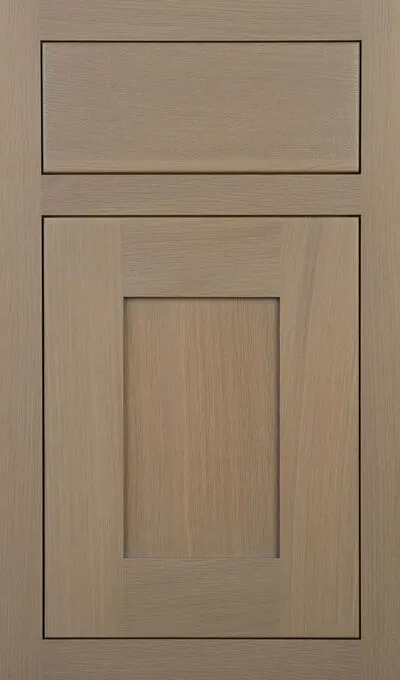
Remsen Wide
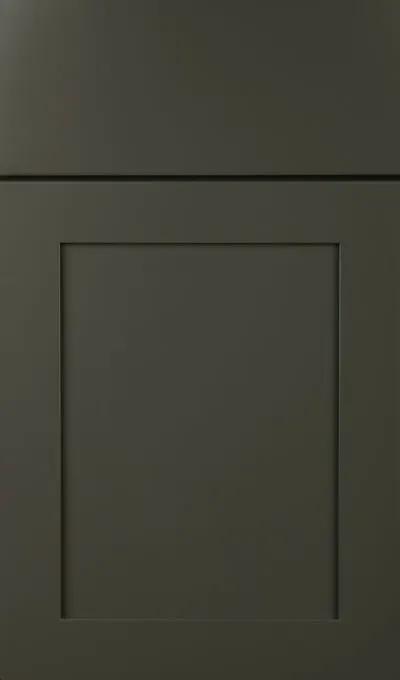
Clinton
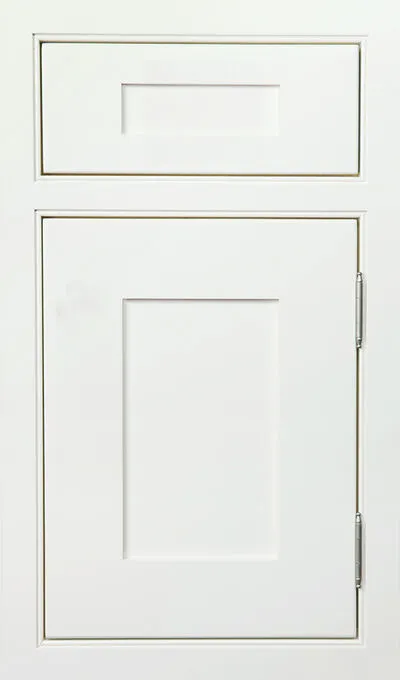
Clinton Wide
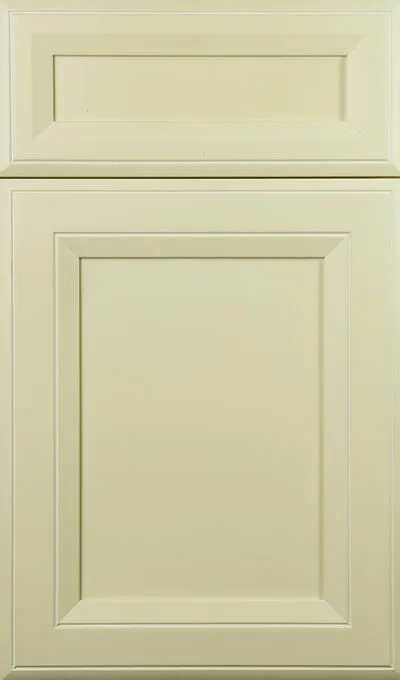
Crosby
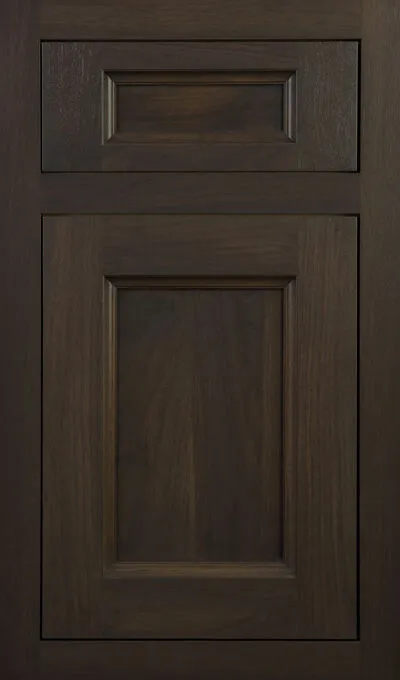
Columbus
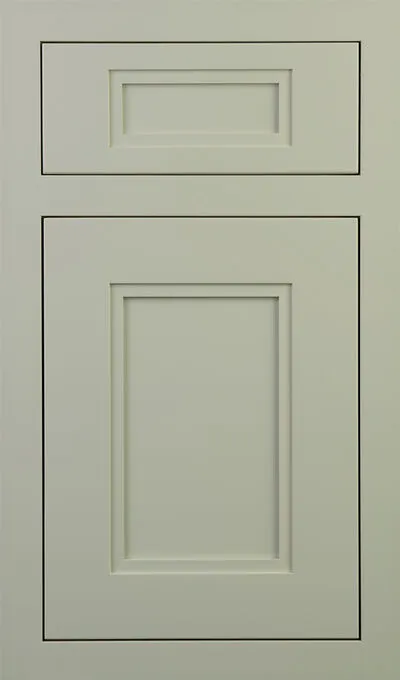
Union
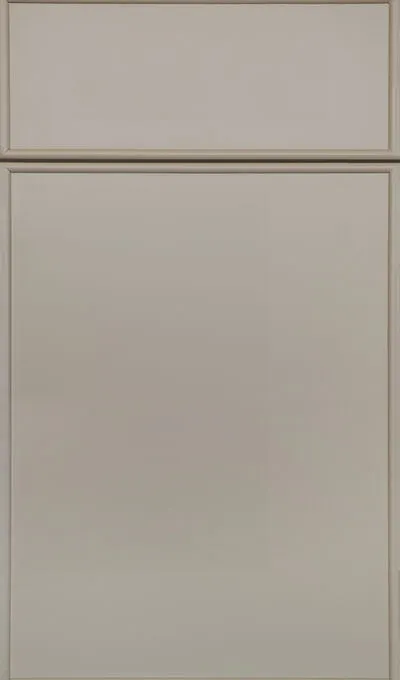
Bleecker
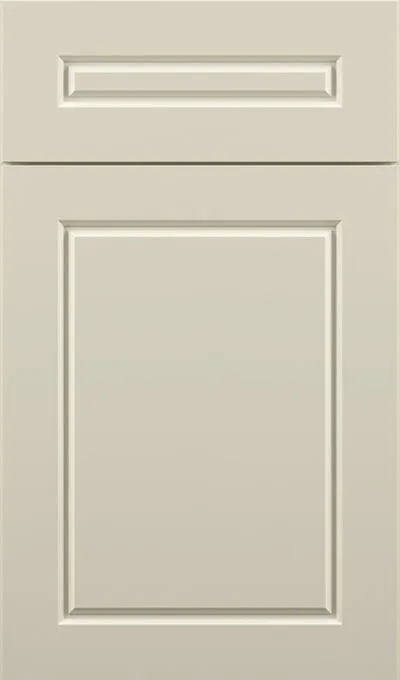
Irving
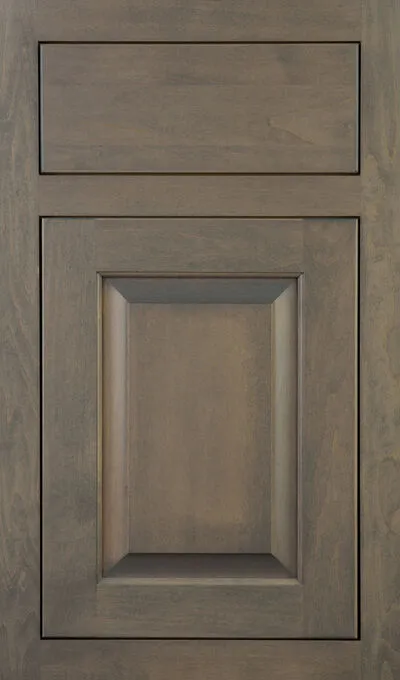
Henry Street
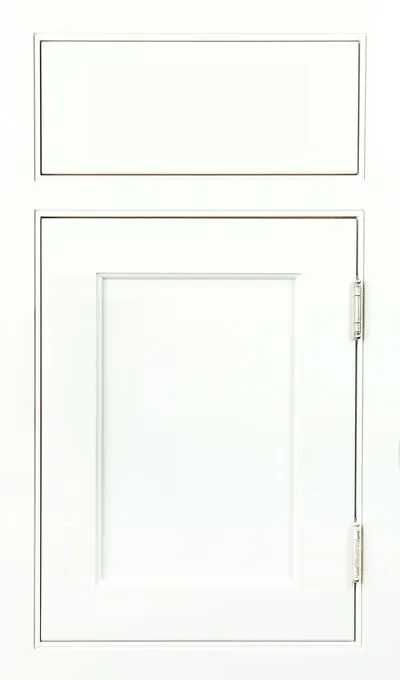
Perry
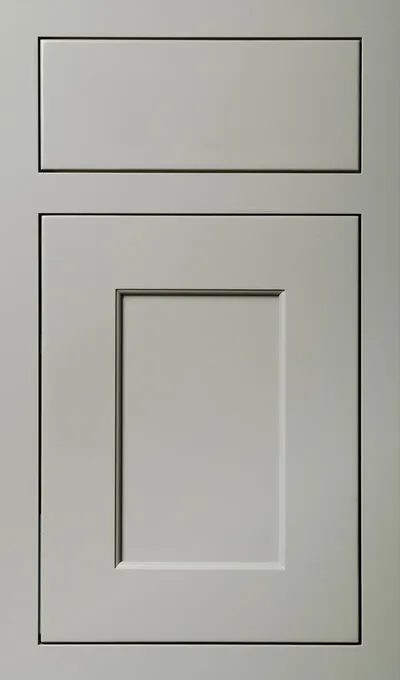
Perry Wide
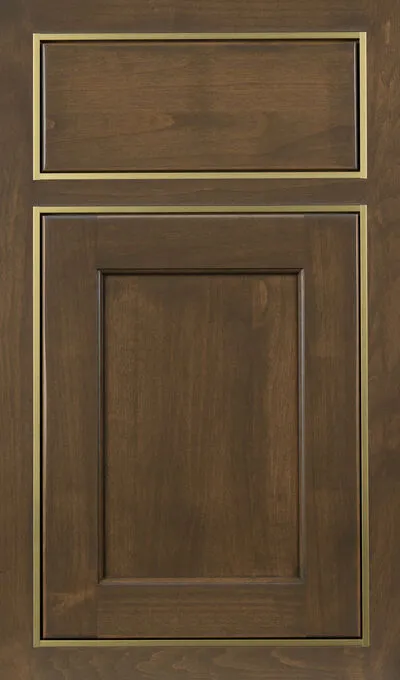
Perry Metal
The color
Ink Distressed is black on Paint Grade Maple, worked to look lived in. The surface is textured with a satin sheen, so the color has depth rather than the flatness of a plain dark coat.
In north light it reads as soft charcoal where the texture catches and deep ink where it doesn't. In south light the sheen warms and the distressing comes forward. Under warm LEDs the black leans slightly toward brown and stays rich.
What to pair it with
Honed white marble or pale quartzite keeps the contrast clean. Soapstone goes tonal and quiet. Unlacquered brass and aged bronze hardware warm the black, while polished chrome tends to look cold against it.
On the floor, wide-plank natural white oak or honed limestone balances the weight of the cabinetry.
Rooms and housing
Brooklyn brownstones and prewar Manhattan apartments take black well when the walls stay light and the windows are generous. On Long Island it suits colonials and larger renovated kitchens, especially on an island or a full run of tall cabinetry.
Montague (applied-molding) and Astor (raised-panel) suit traditional rooms. Gowanus, Perry, Mott and Bond, all slab, give a leaner look. Browse the TKG Inset collection or all door styles.
Care and durability
Textured finishes forgive daily life. Fingerprints and small marks blend into the distressing.
Wipe with a soft damp cloth and dry. Use a soft brush for dust that settles in the texture. Avoid abrasive pads and harsh cleaners. To see it in person, compare finishes or request a sample.